Vietnam - A Last Minute Adventure
Visiting Ho Chi Minh City post-covid and exploring Cat Tien national park.
The Hectic Journey
I am fortunate enough to claim two best friends. Sadly, one of them lives in Hawai'i (How terrible for him). My other friend and I decided we should surprise him with a visit (How terrible for us) over Thanksgiving week in 2022, as international travel once again seemed palpable after two and a half years of isolated constraints, confusion, and loss from the pandemic that brought the world to a stop.
We had a sudden realization - will our friend actually be in Hawai'i if we were to visit? So we asked him what his plans were. "Oh I might be doing a solo trip to South Korea or Vietnam." And we responded "ah so that means you're going to Vietnam, and we shall join you!"
With a profound sense of procrastination, we bought some airfare tickets but neglected the "we'll deal with that later" e-visa. It only takes up to 3 days right? We had plenty of time. Turns out it takes at least 3 days and we were in some trouble. Quickly realizing that Vietnam was a day ahead of California and Hawai'i, we noticed that Friday 5pm Vietnam time was quickly approaching and our visas were still in a "pending" status. My first friend moved to "approved," then my other friend. I was left at "pending" while the clock went from 4pm to 5pm to 6pm. Closed for the weekend.
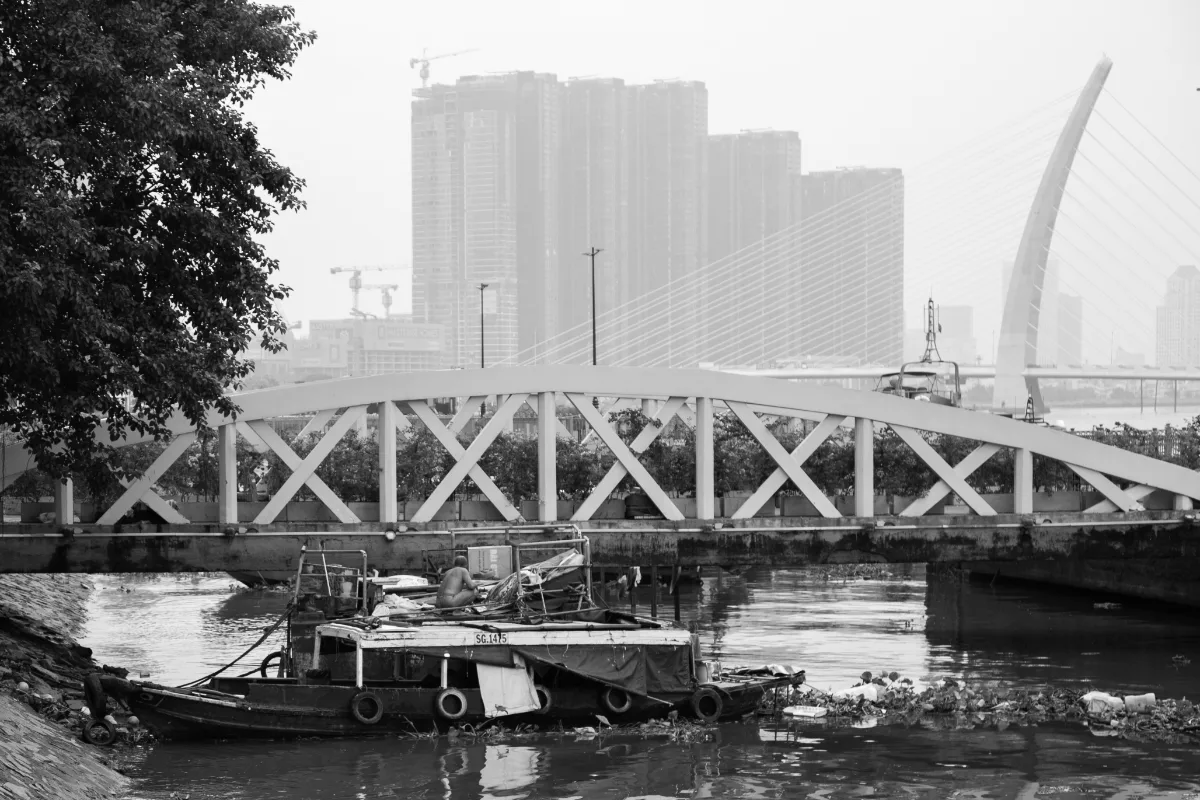
Some totally legal things happened and I was able to get through SFO and Haneda and arrived more than 20 hours later in Ho Chi Minh City. With a shiny visa in my passport and my luggage nowhere to be found. Great.
I decided since my other friend was only 45 minutes out, I'd get some steps in. Moments before he walked out of the secure area, I saw my luggage hidden behind a planter. Thanks to whomever put it there instead of the 2 lost and found areas.
One Grab later and we arrived in town to our Airbnb - where I promptly knocked out for the night.
Now onto the fun part - the Wildlife
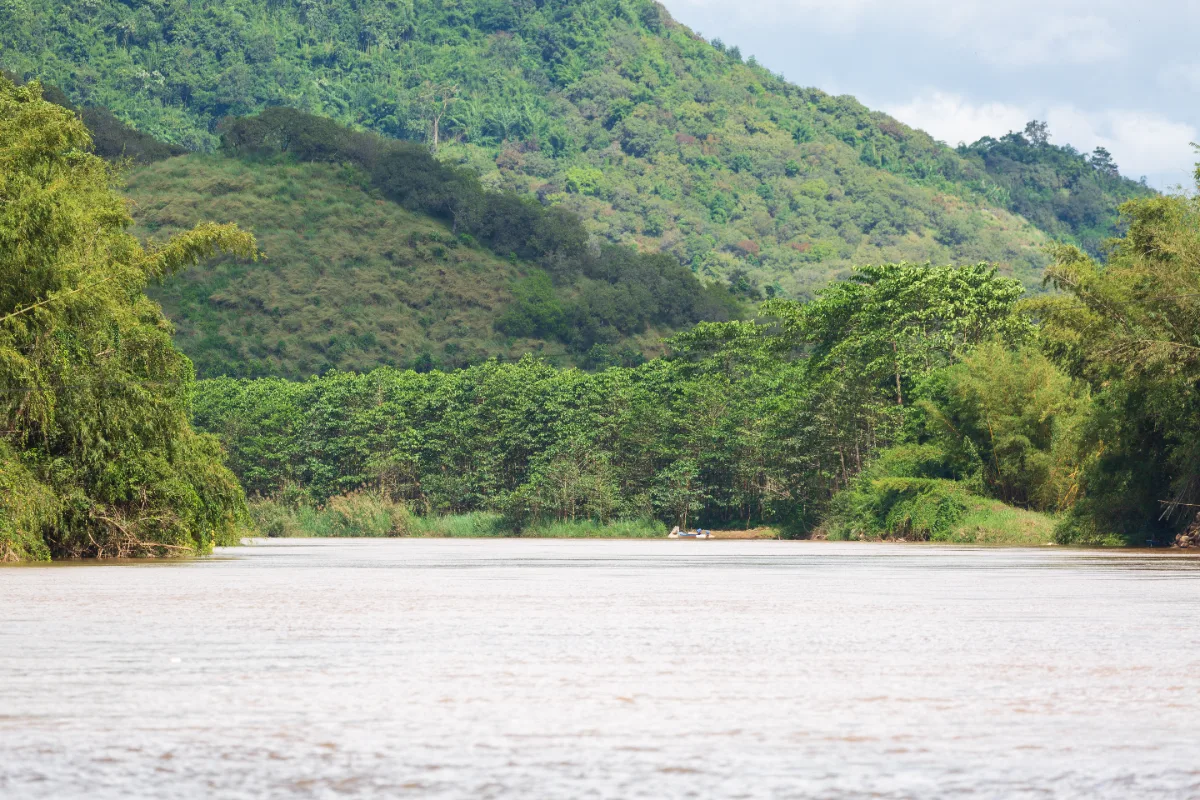
Welcome to Cát Tiên national park!
We rented a car to drive us from Ho Chi Minh city approximately 3 hours away to a beautiful little town and jungle lodge along the Dong Nai river. Intermittent rains made the green foliage move with life and gave us a good chance to rest and plan our adventure the next morning. We purchased tickets for a little ferry that would take us across the river early the next day and these also doubled as our entry tickets into the national park, which started on the river bank across from us. We saw a sign saying to bring "leech shocks," which we ignored since we didn't comprehend what it meant. A devastating mistake for later-us.
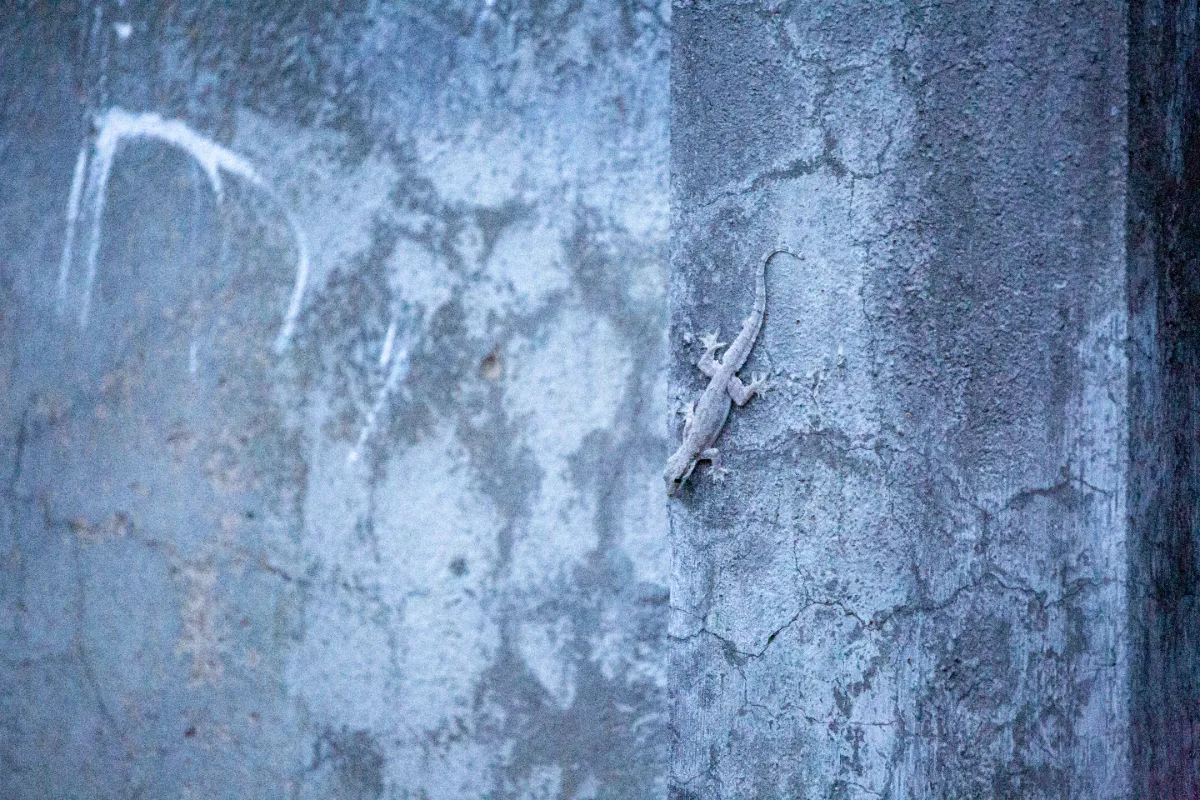
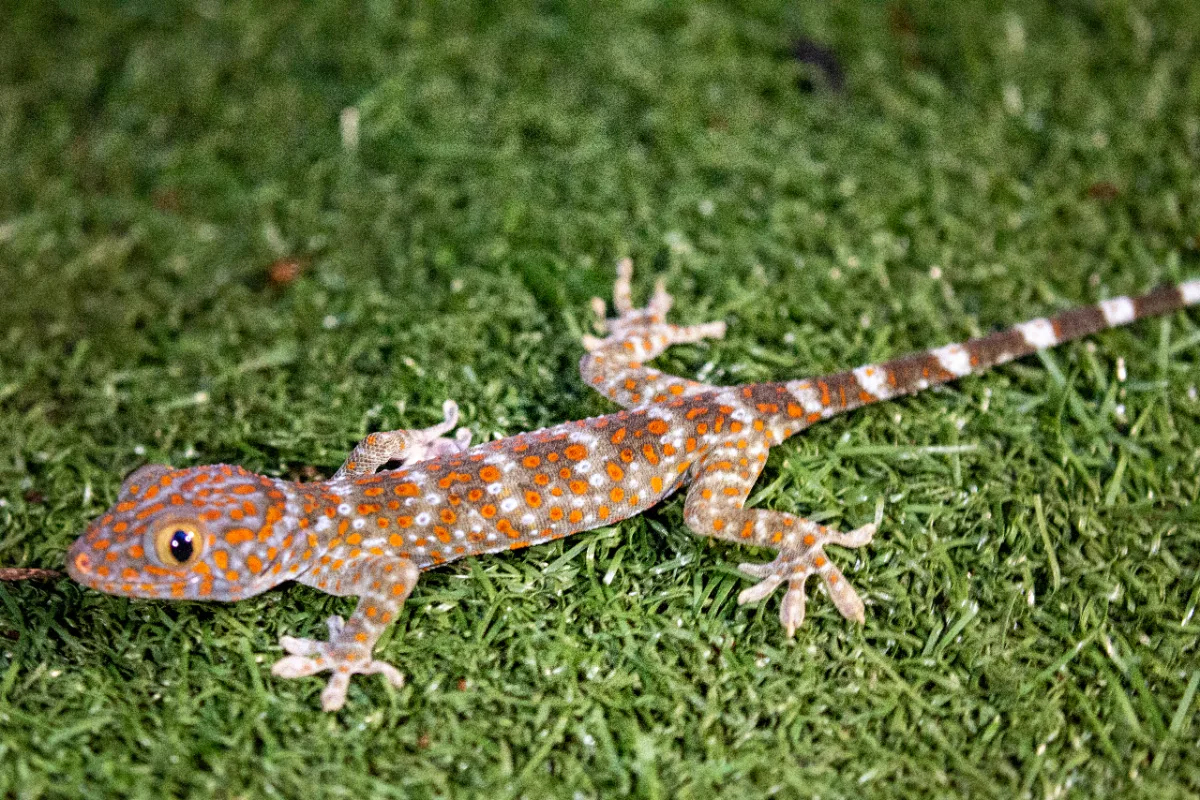
Our room was spacious, but not completely sealed off from the elements. We had many guests of insects, geckos, and frogs, with one loud Tokay Gecko (Gekko gecko) plopping some excrement onto the middle of the living room from the ceiling with a comical thunk. Then it continued to chip its own name throughout the night like a deranged Pokemon. Mosquito nets covered the beds and made us feel safe enough to sleep, but who knows if there wasn't already a few in the nets with us by that point.
Figuring out our plan for the following morning, we were able to purchase our ferry tickets to cross the river, which also acted as our tickets into the park.
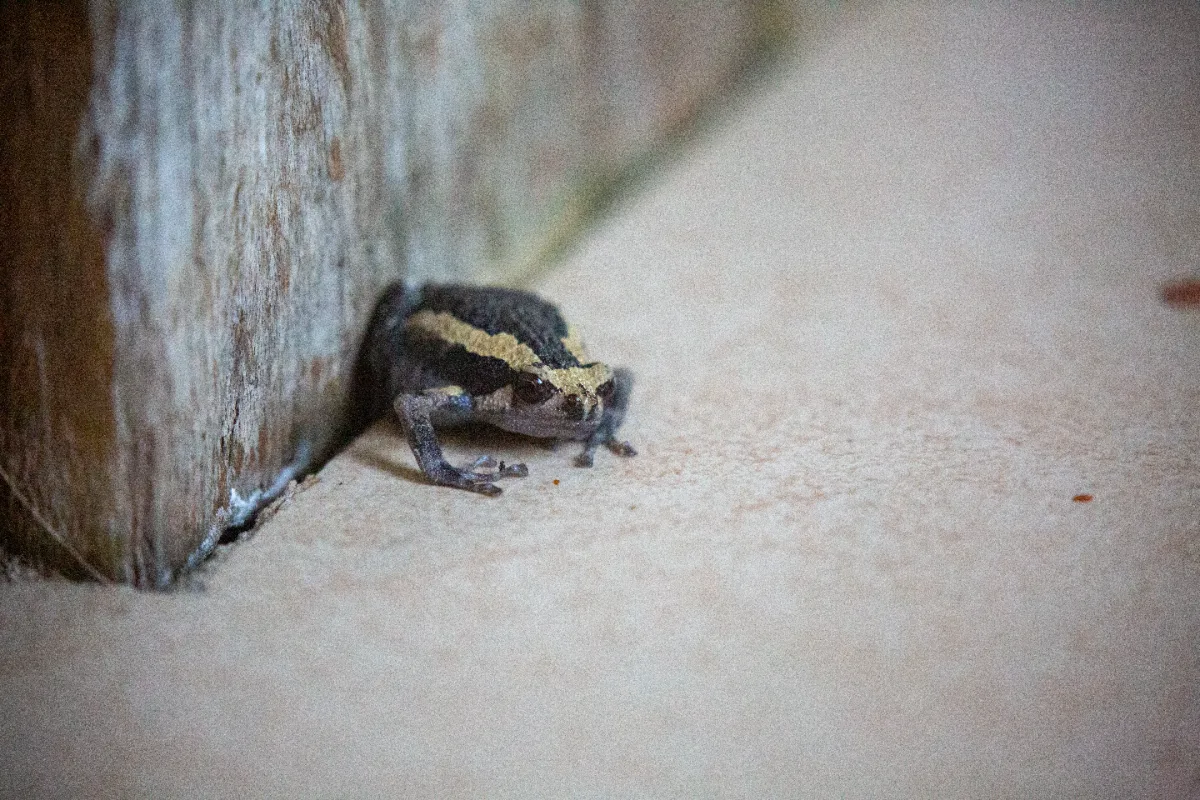
Mosquito-net beds did their best to protect us, but we had several guests (frogs, geckos, and insects) make their way into the room throughout the evening.
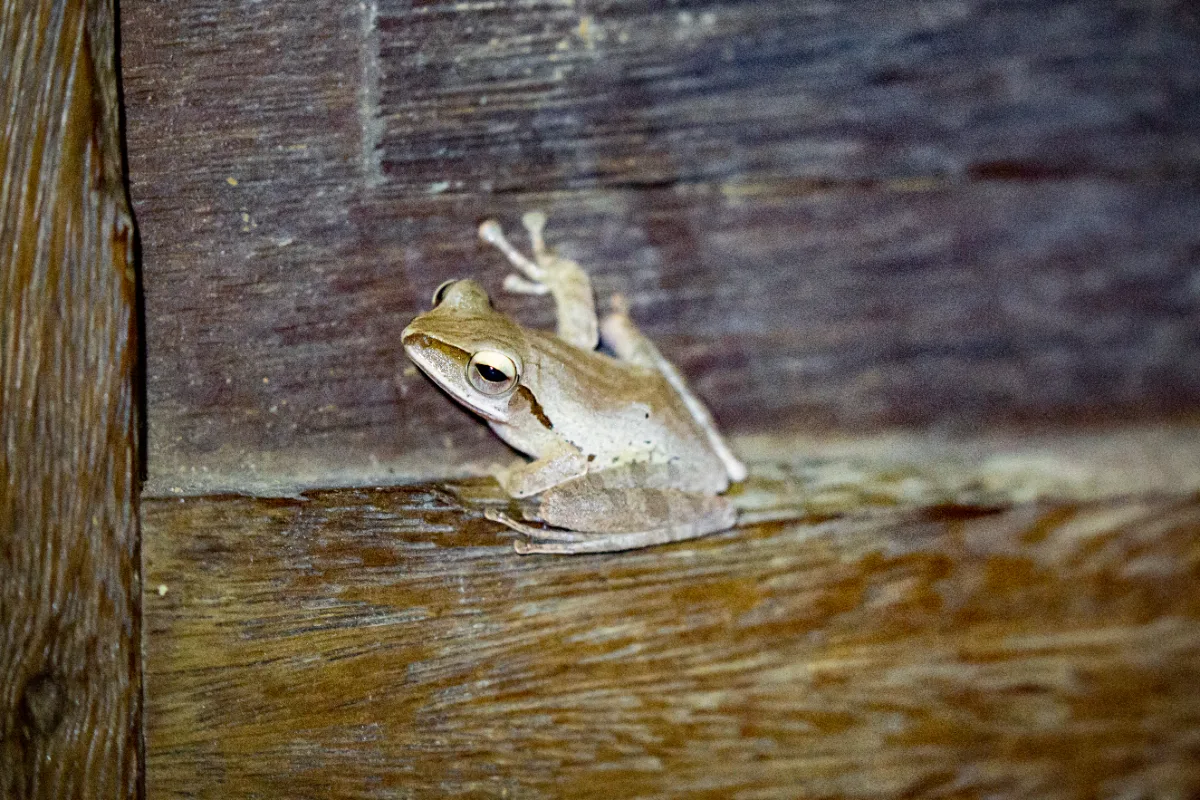
Welcome to the Jungle, we have fun and leeches. And dangerous elephants
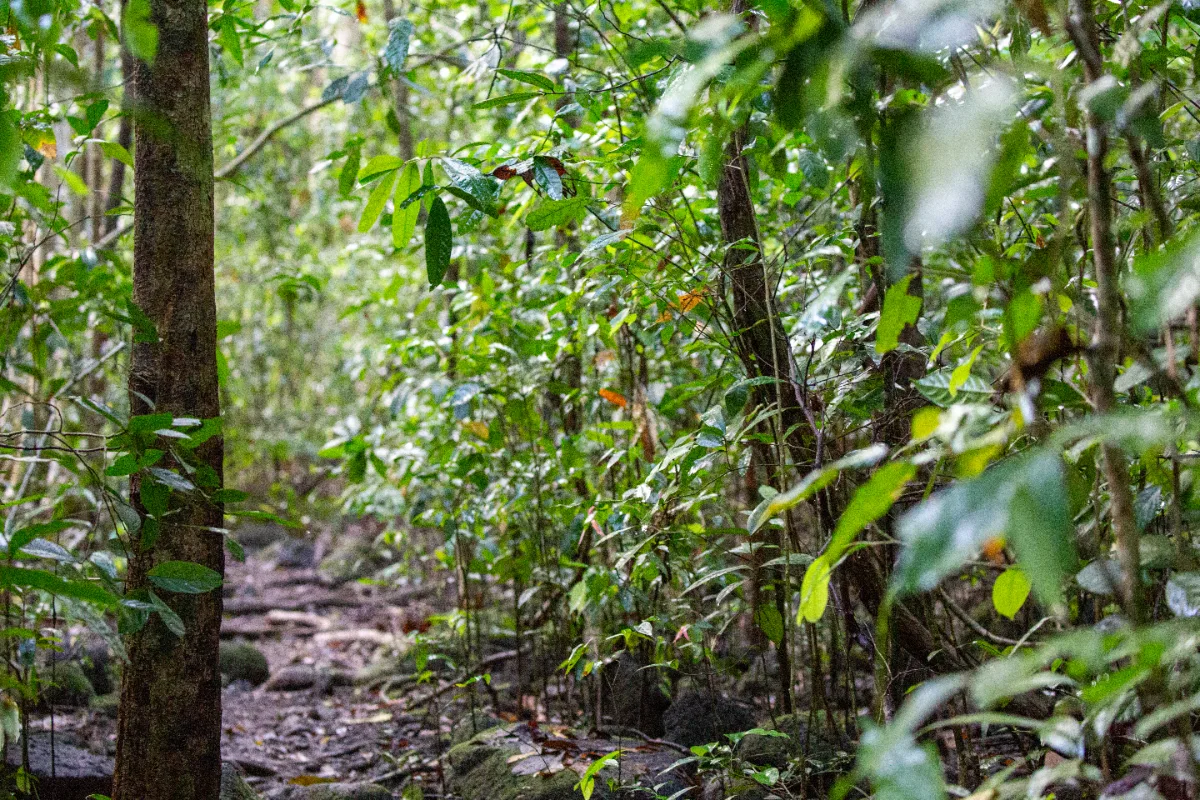
We arose early and made our way down to the water's edge. A smoggy and stinky ferry was waiting for us and a few others to take us across the murky river.
Very quickly, we arrived on the other side and for the most part, were left to our own devices. There were a few buildings, but nothing was seemingly open yet. We decided to walk to the right along the road to see what we'd encounter.
"Thousand root trail" sounded promosing, so off the road we sauntered into a thick forest of trees. Almost no sunlight reached us, and the ground was still very damp from the night's rain. Not a bird, amphibian, animal, or insect in sight, but it was still lovely being deep in nature.
"What's that on my shoe?"
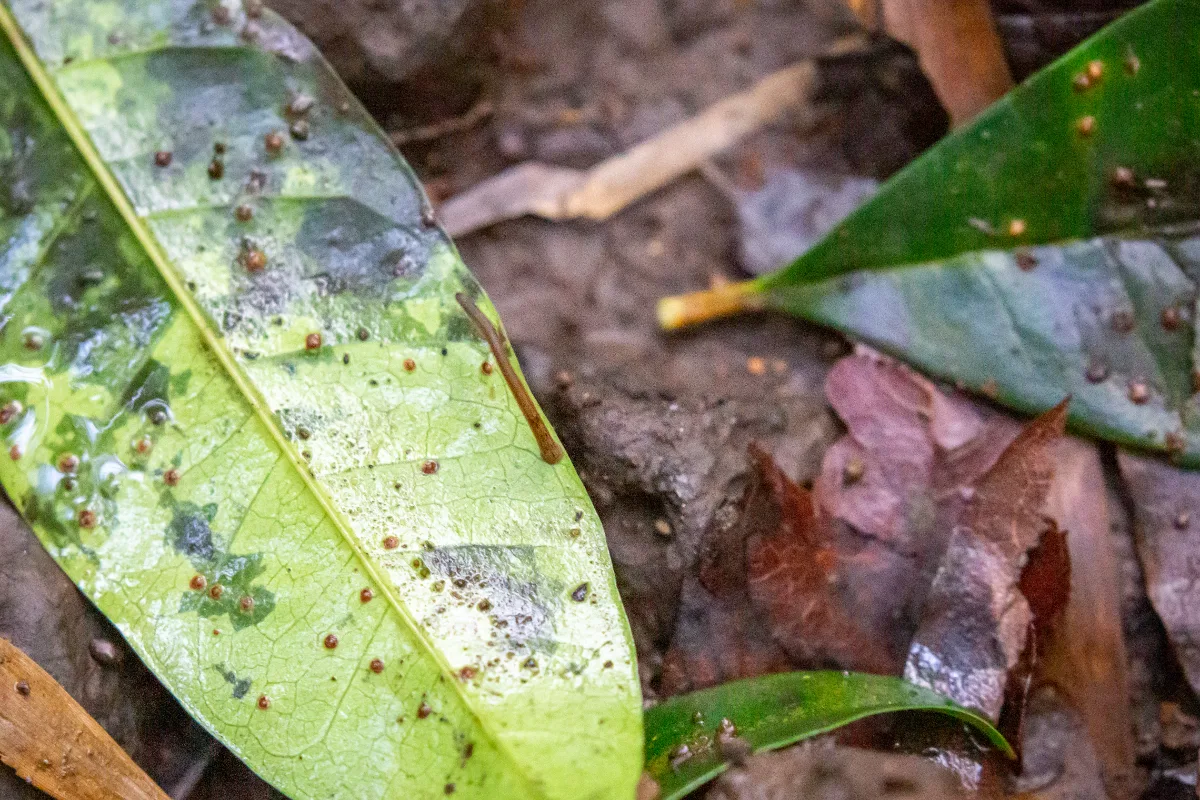
The attack of the leeches was slow yet relentless. We thought we were safe on land, but this variety, known as 'land leeches,' were able to inch towards us chasing our body heat. Alas, we did not have "leech shocks," which actually meant long leech socks. Leeches crawled up our pant legs and down into our socks, latching on and drinking their heart out on our blood. We decided to skedaddle back to the road, where we were able to pry some off. Leeches use an anticoagulant to help drink the blood easier, but that means we were bleeding profusely in our clothes. Socks and shoes turned red, and it was a mess on the legs as well.
Let's stick to the road for now...
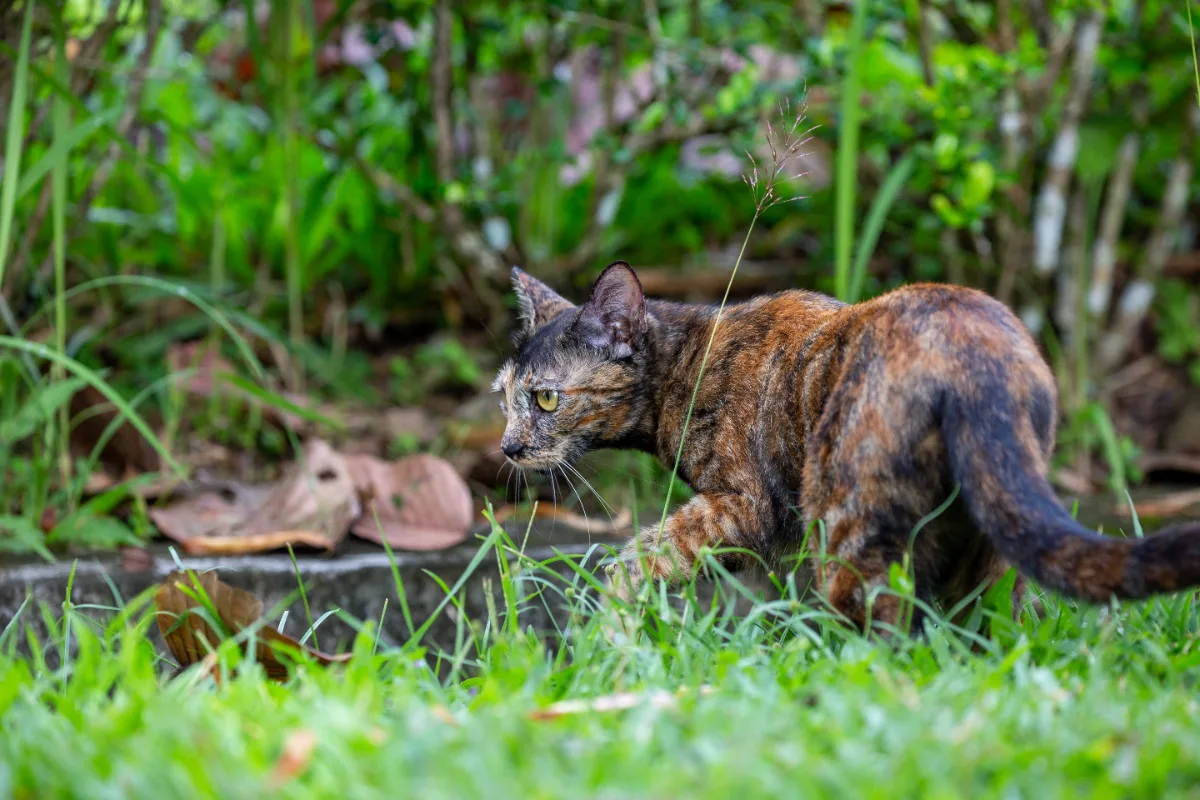
Along the road we walked, safe at last from the leeches. We saw a mammal off to the side and got excited until we realized it was just a domestic cat. Still quite cute nonetheless.
We had made it a fair distance when we were suddenly stopped by a man on a moped. Unable to communicate, he insisted we wait there. After the leech incident, we decided it would be best to wait. Several minutes later he returned with another man and they were able to warn us not to continue further down the road as there were dangerous elephants blocking the road. They informed us if we went the opposite way down the road it was very beautiful and safe.
About face and back we went.
Too Many Animals to Count
Highlight
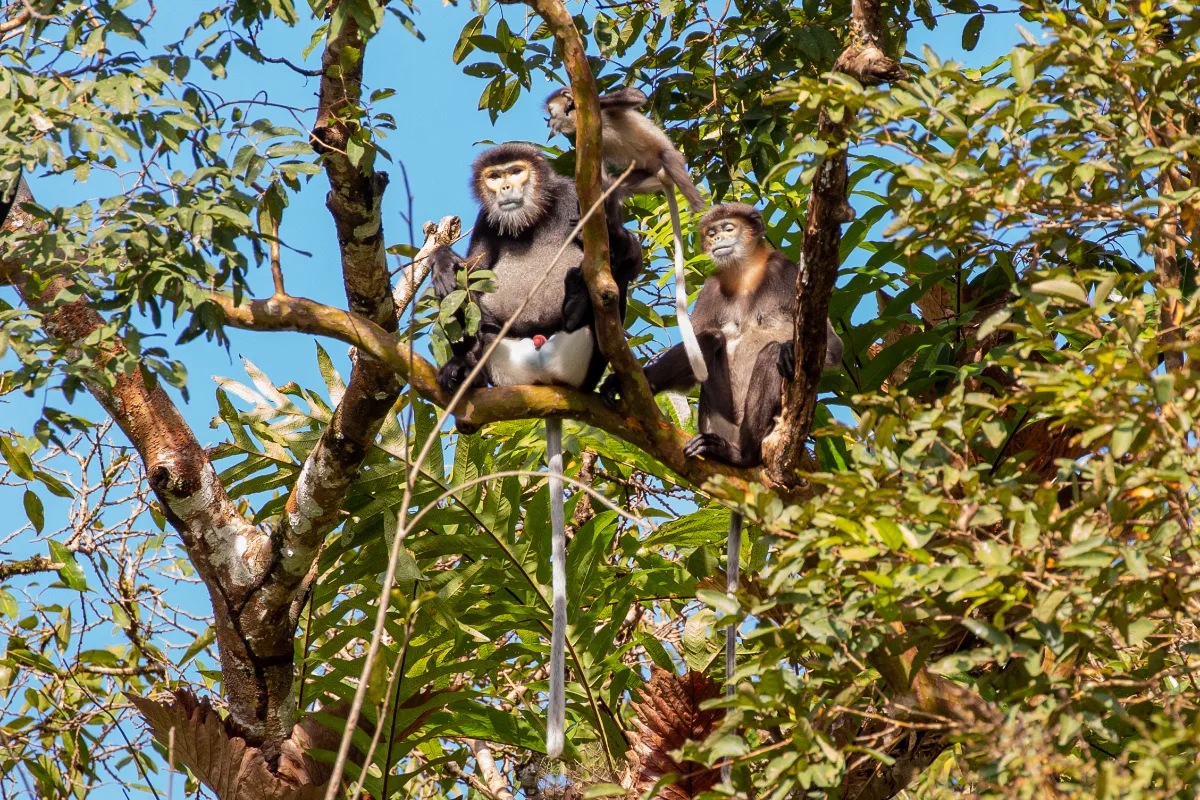
On the happy trail, we saw movement in the canopy. A family of critically endangered Black-shanked doucs moved gently from tree to tree with their young offspring. Looking back at us with quite human-like gazes, their unique coloration really stood out against the green foliage.
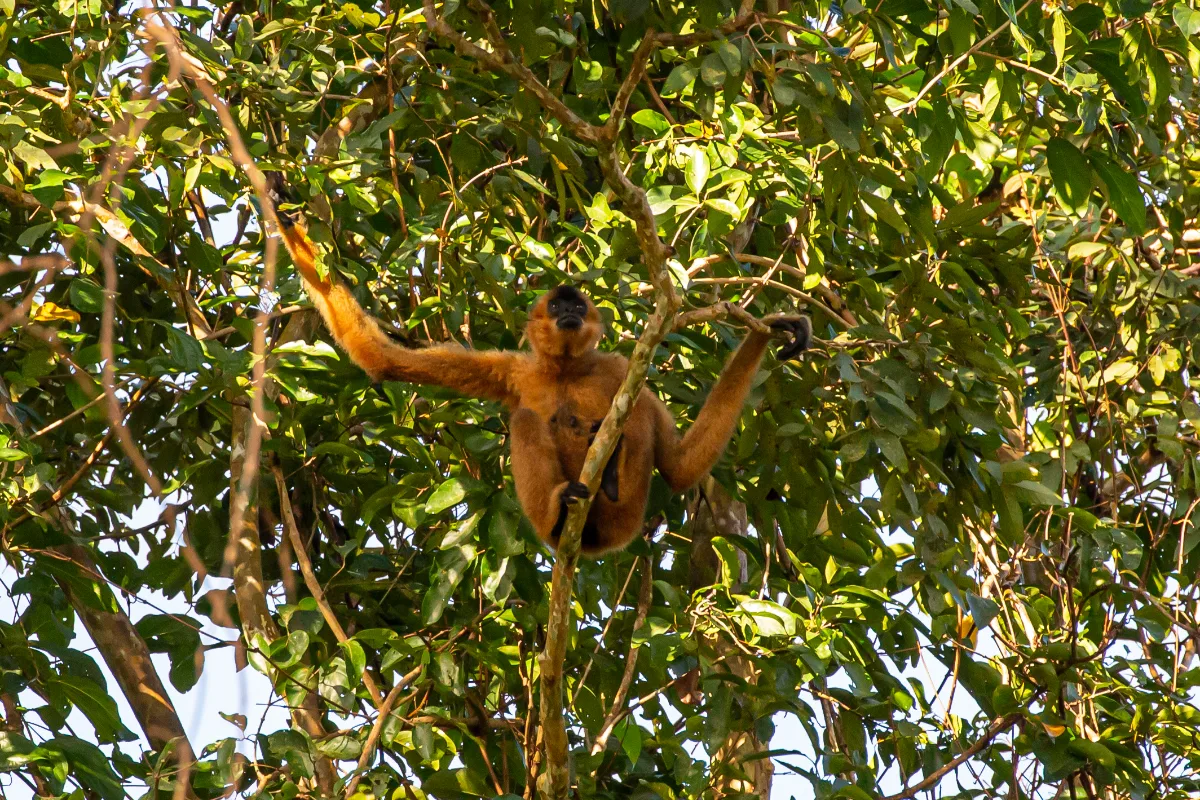
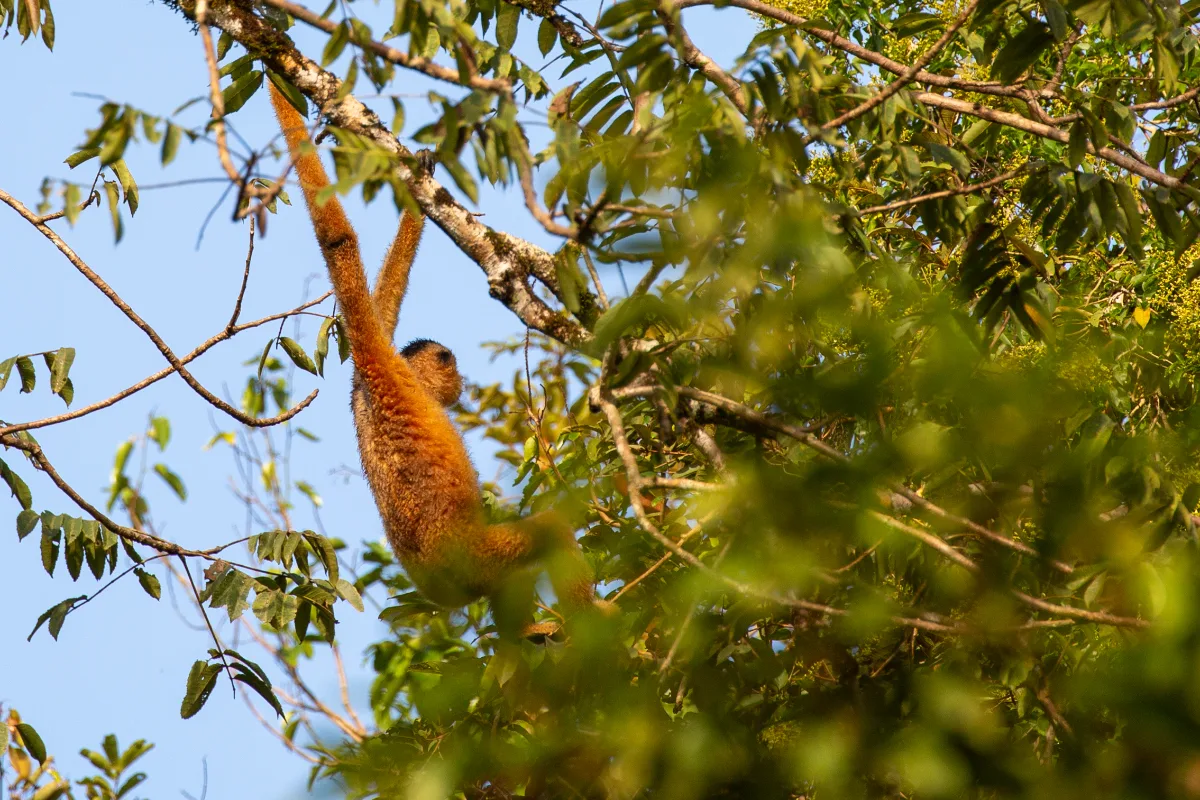
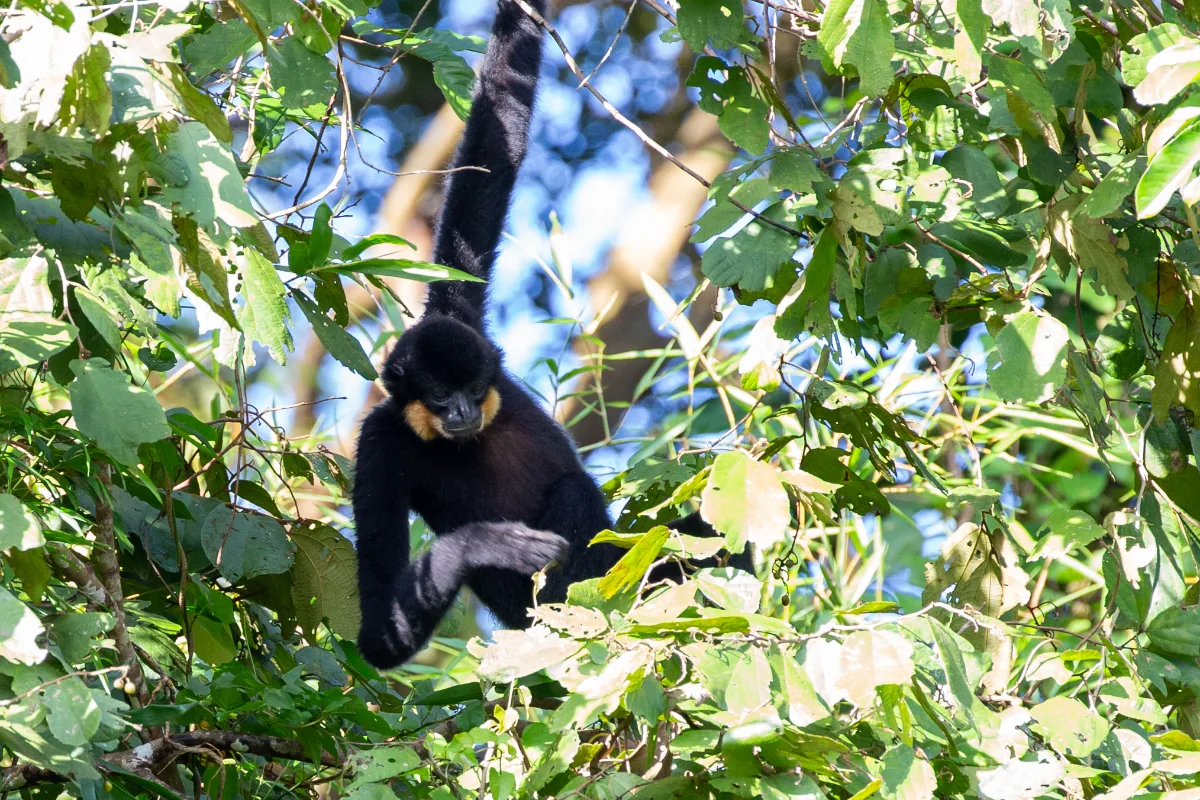
And then the planet of the apes arrived. A few endangered Yellow-cheeked Black Gibbons (Hylobates gabriellae) swung quickly along the tree-line, just below the douc langurs. This species is sexually dimorphic, with females being a yellow/orange color while the males are black. What an absolute joy it was to see monkeys and apes together, our view from the road uninterrupted by a wide clearing.
Highlight
Highlight
We walked along the road, past the visitor center, encountering open fields, pockets of jungle, bodies of water and hardly another human soul.
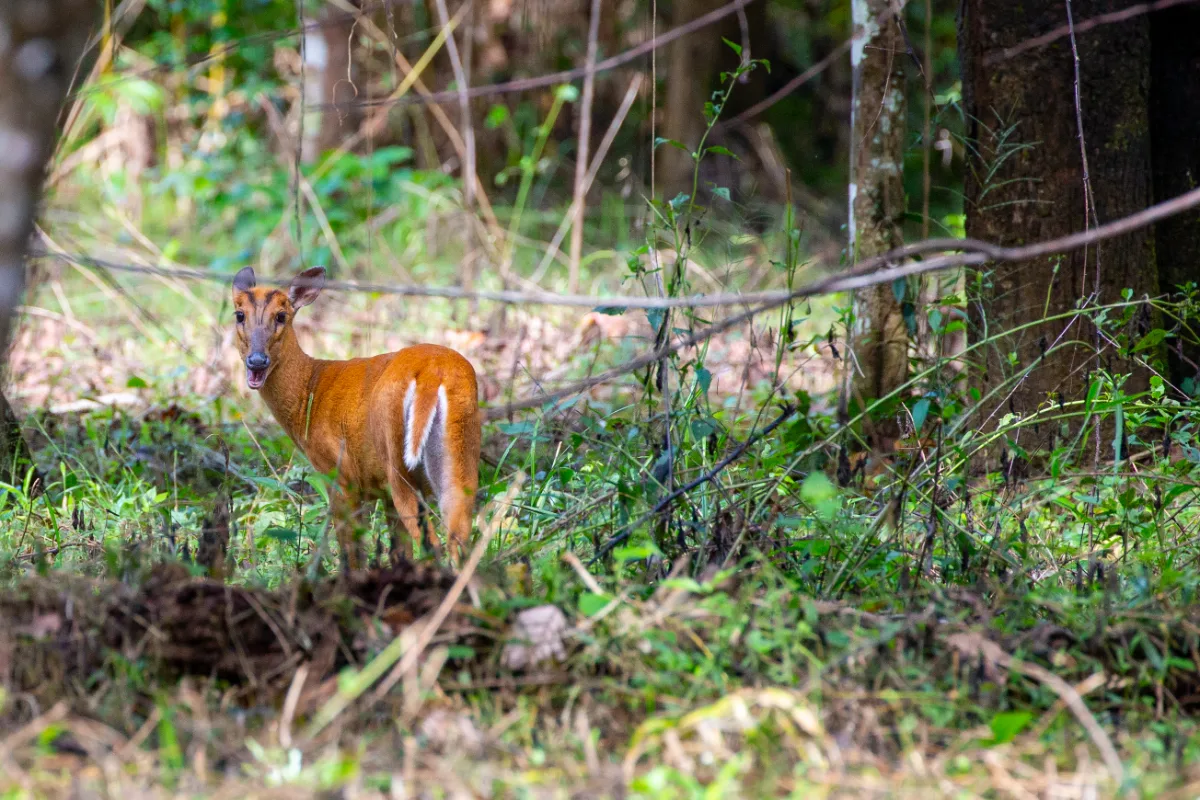
In the woods we saw a brightly colored Barking Deer (I believe it was a Southern Red Muntjac [Muntiacus muntjak]). I've been mistaken on the exact species before and I shall be mistaken again in the future. We steadily watched as it slowly meandered through the woods, occasionally grazing and glancing our way.
Many birds flew around us, many of which I missed because switching from nearby reptiles to distant and quickly moving birds does take a couple of seconds to adjust on the camera. The excitement from seeing new species I had never seen before made the stress from our earlier challenges vanish from my mind.
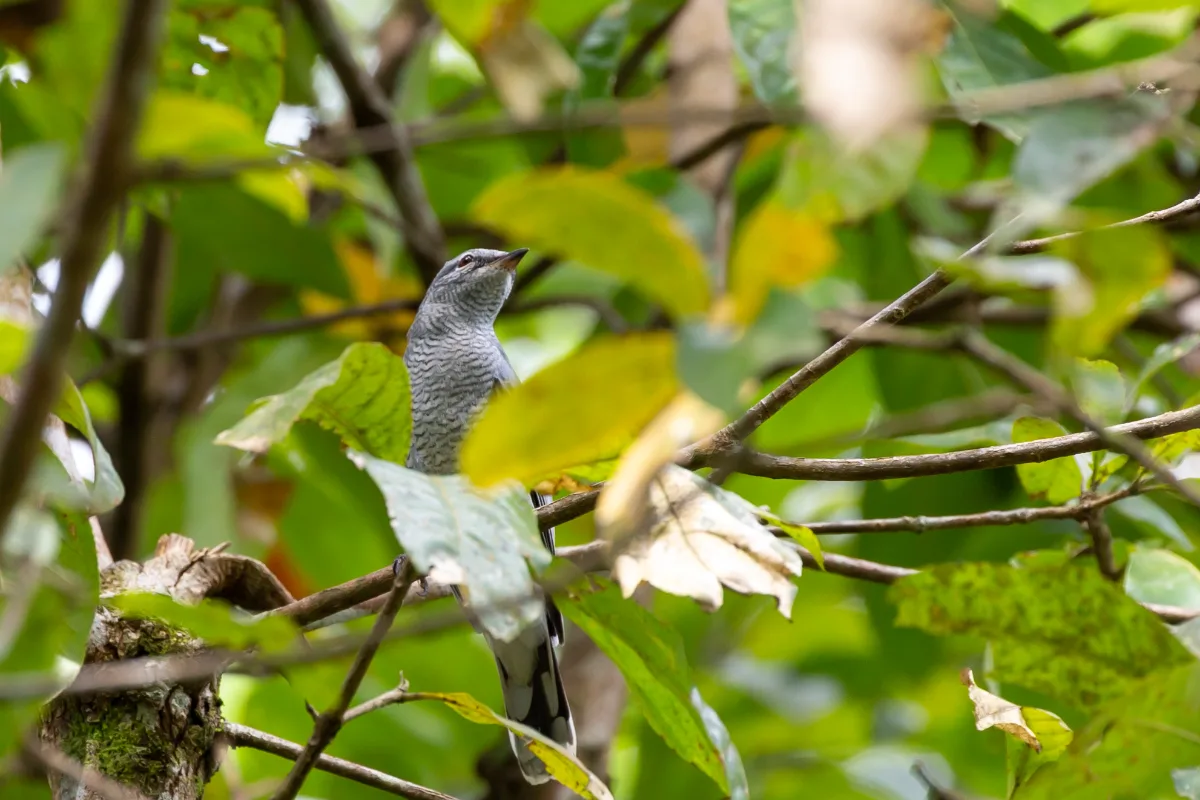
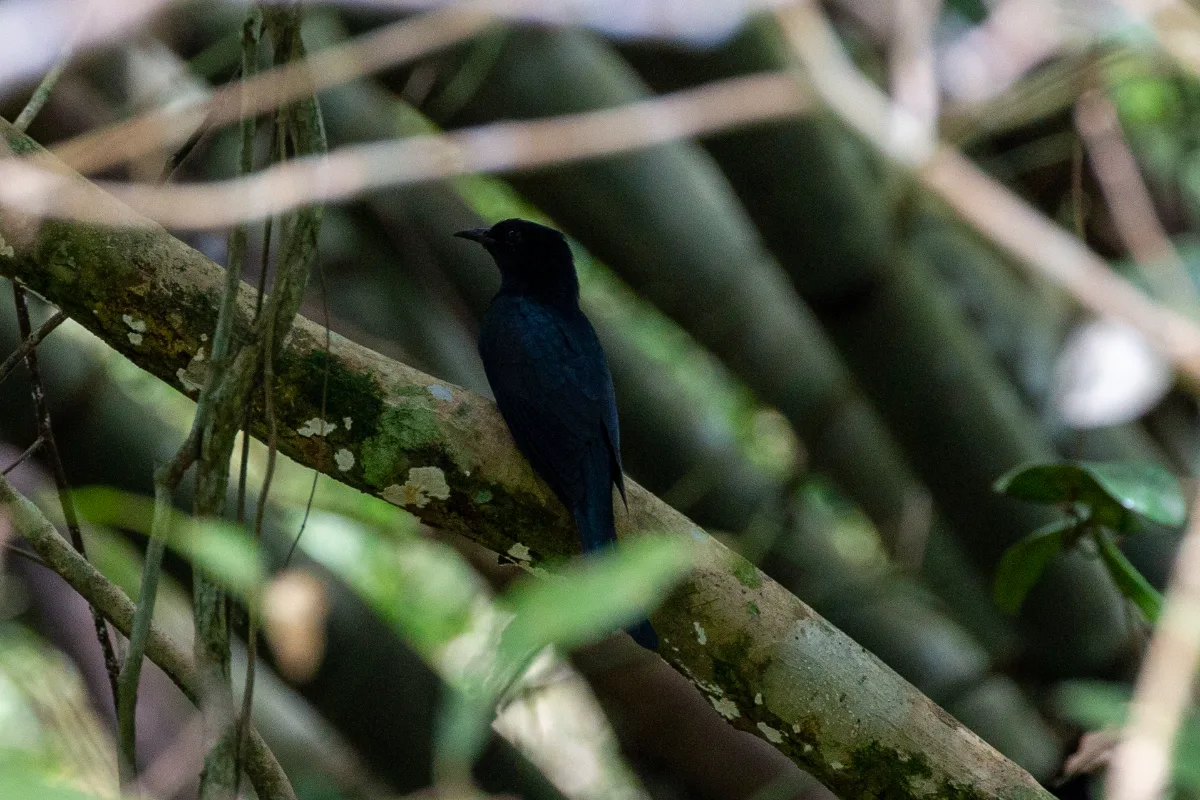
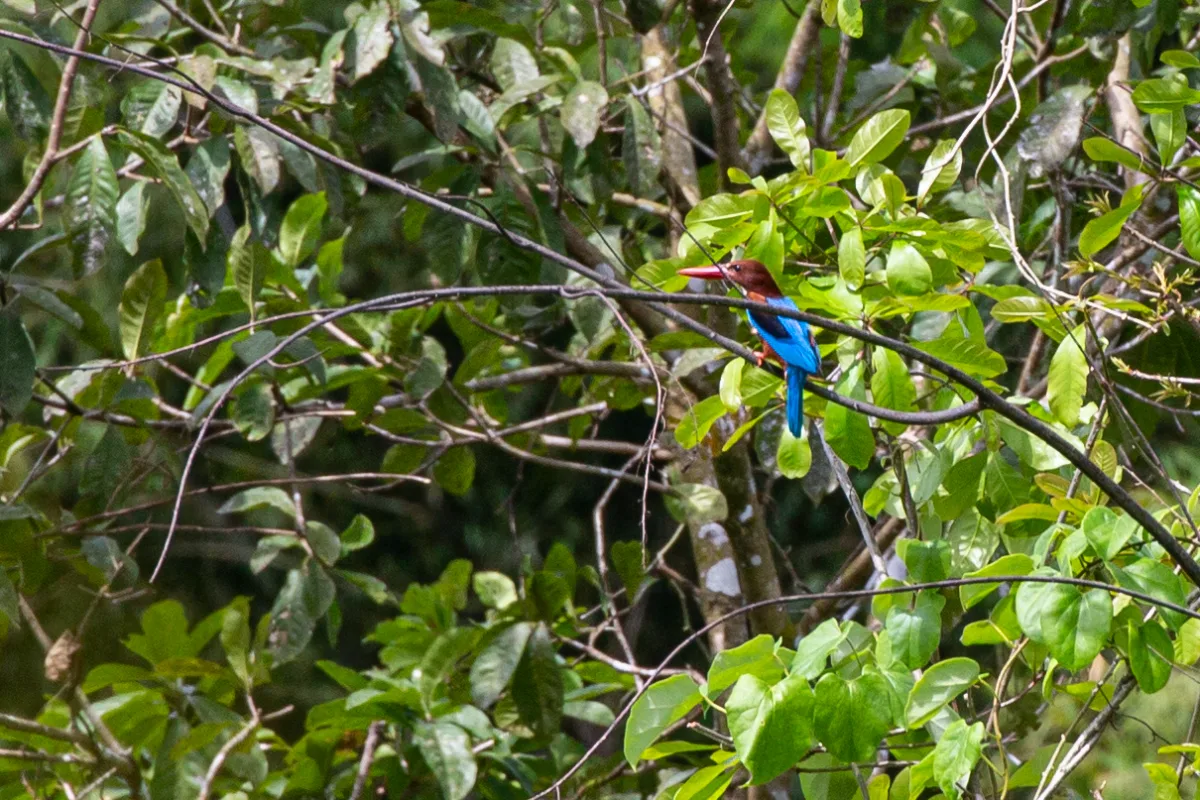
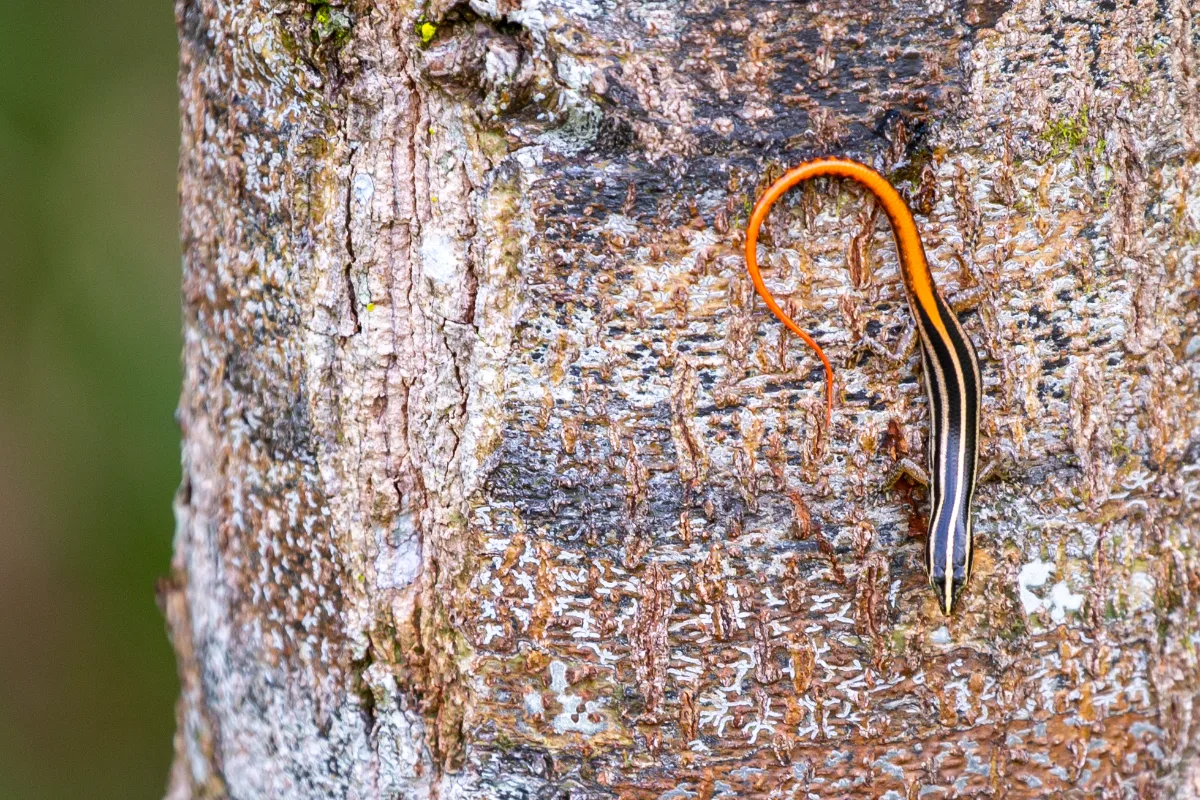
As many of my close friends know, I have a vast fondness of reptiles. My modern era of wildlife photography started when I wanted to practice taking photos of my pet geckos and lizards, and over time it became a new obsessive hobby. As reptiles are not always readily seen year round, I adapted with birds, mammals, and whatever else I could find on my hikes.
So here is a skink (to the right). the Common Striped Skink (Lipinia vittigera). A juvenile with a vibrant orange tail. These colorful tails are used as a defense mechanism, drawing predators to attach the tail instead of the head, detaching to allow the skink to escape and survive another day.
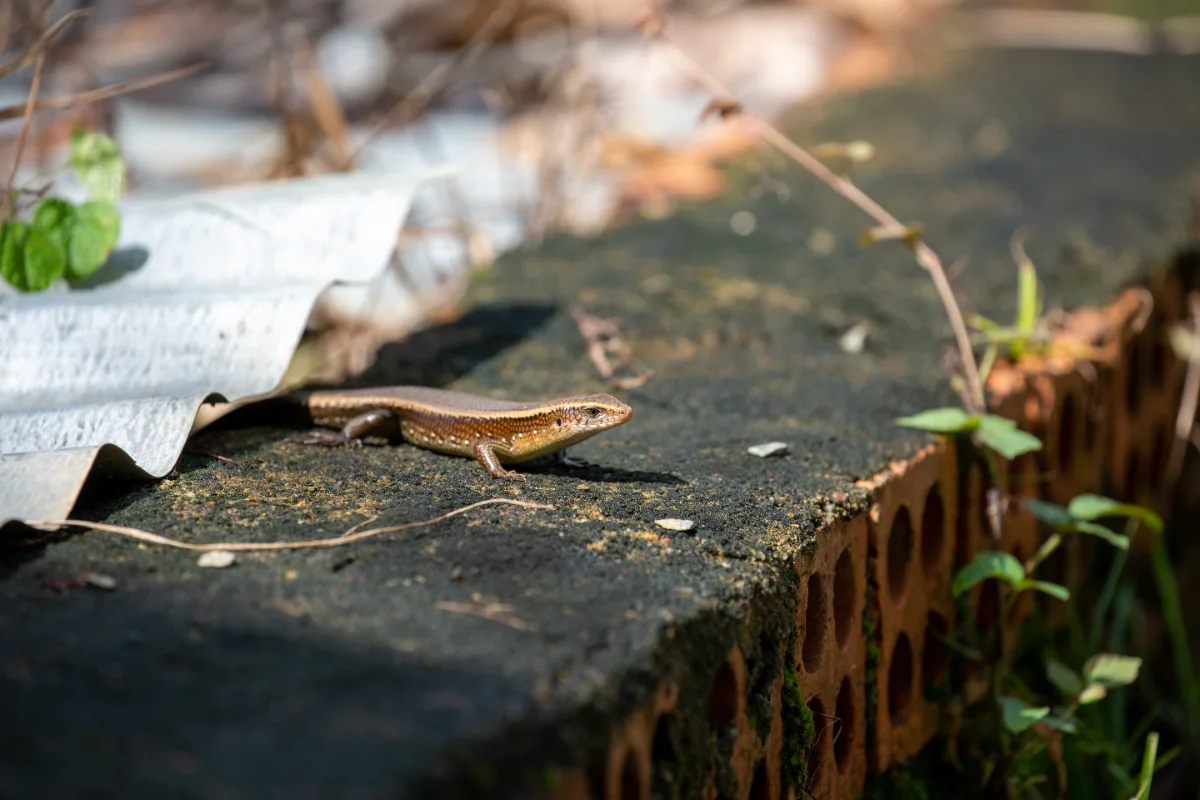
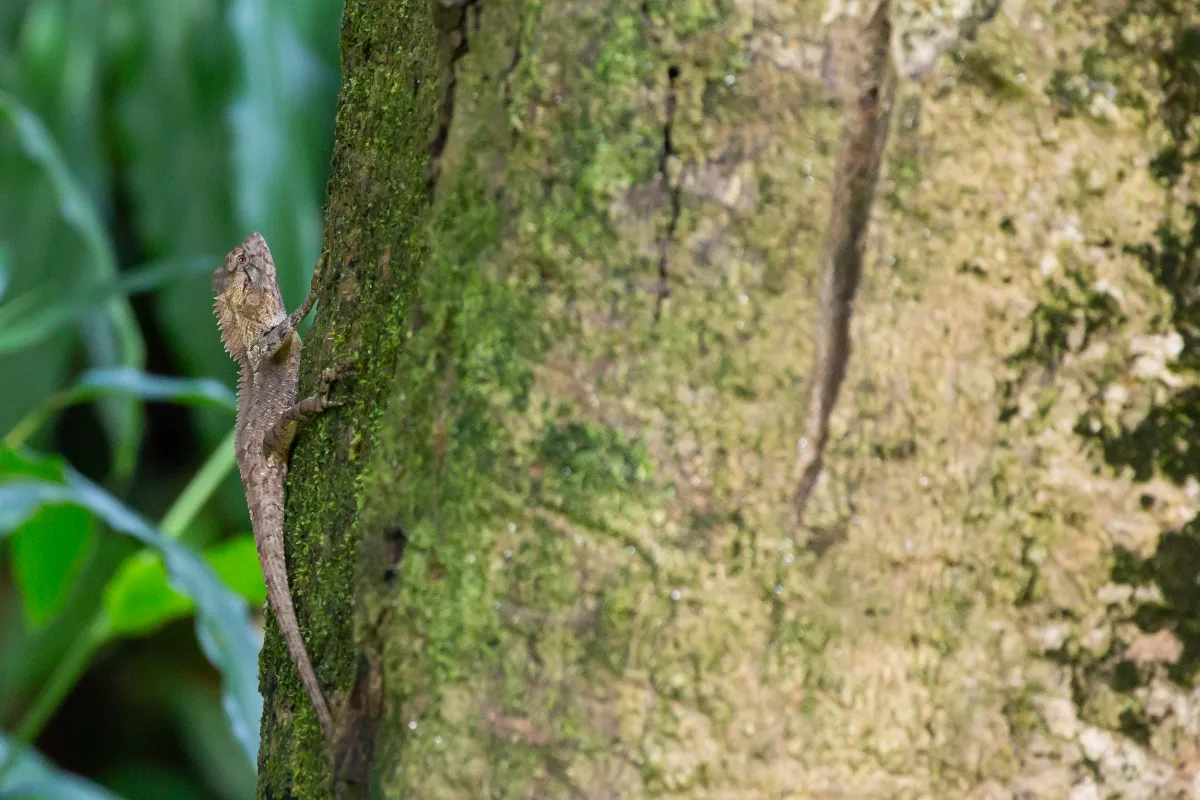
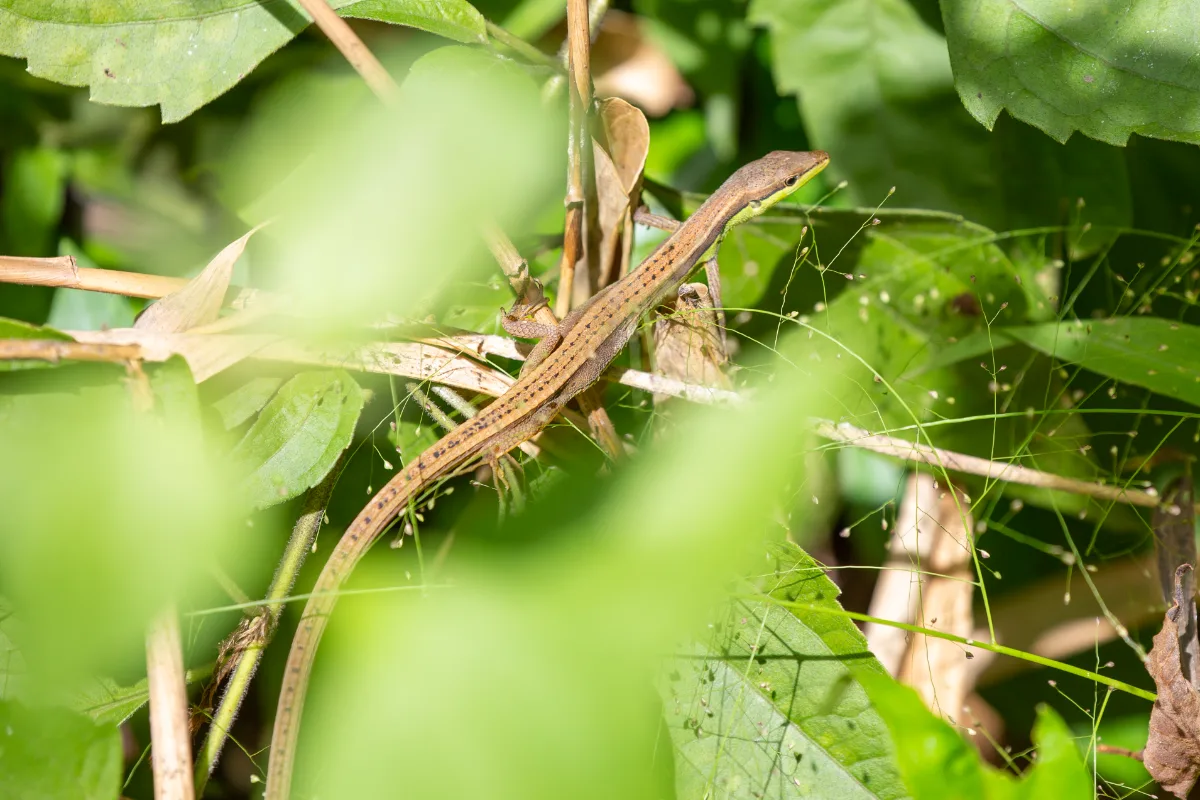
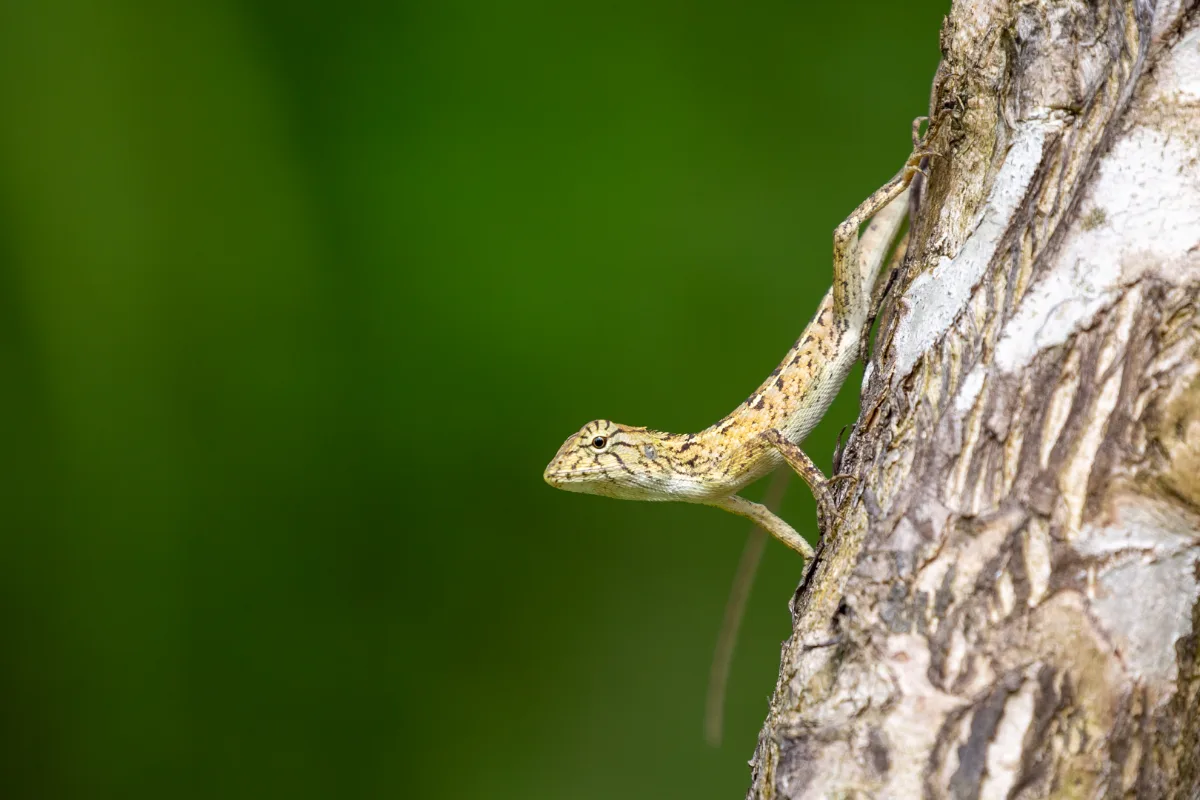
Below we have some lovely Calotes and an Asian Grass Lizard.
And more
And some more
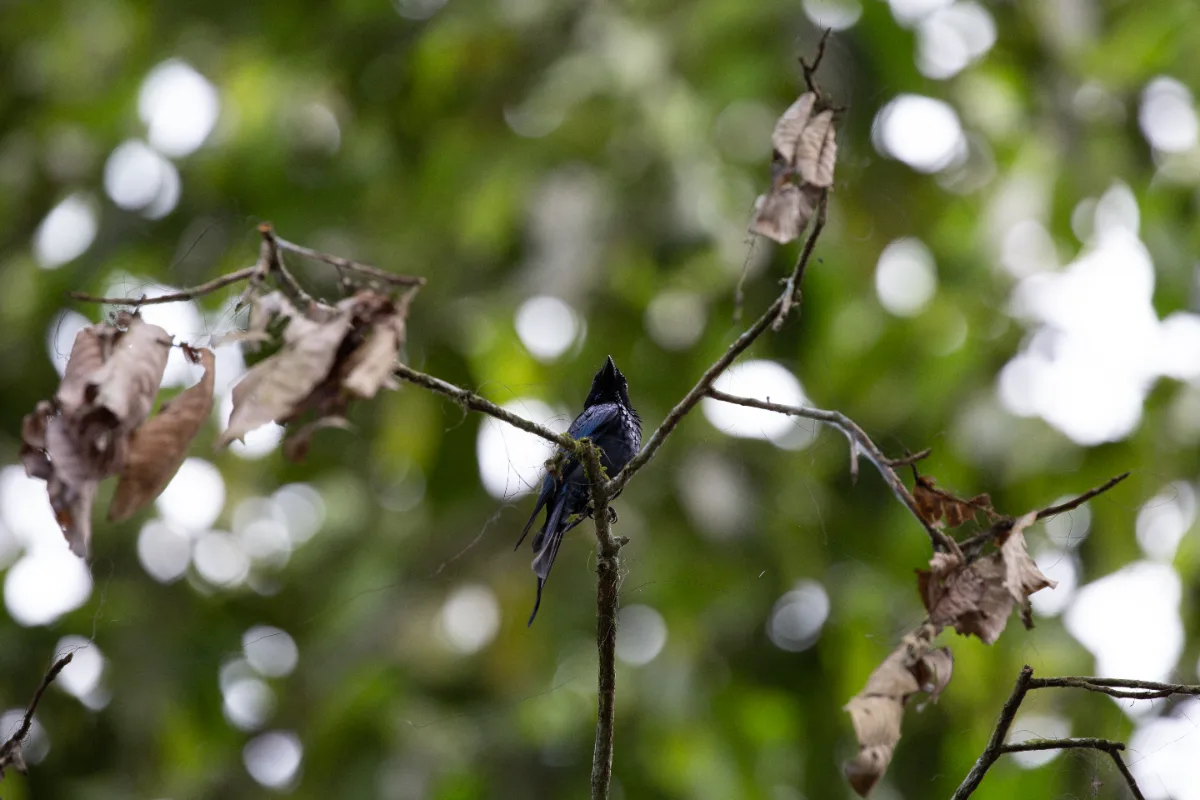
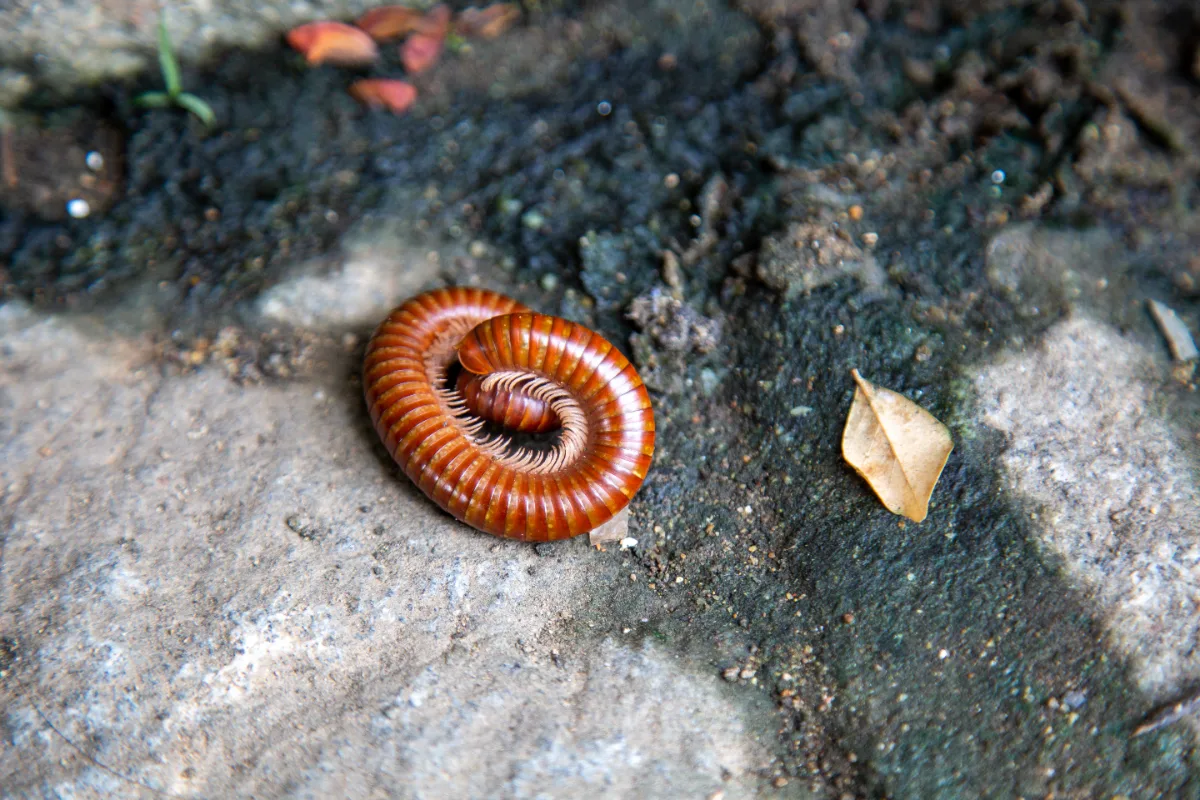
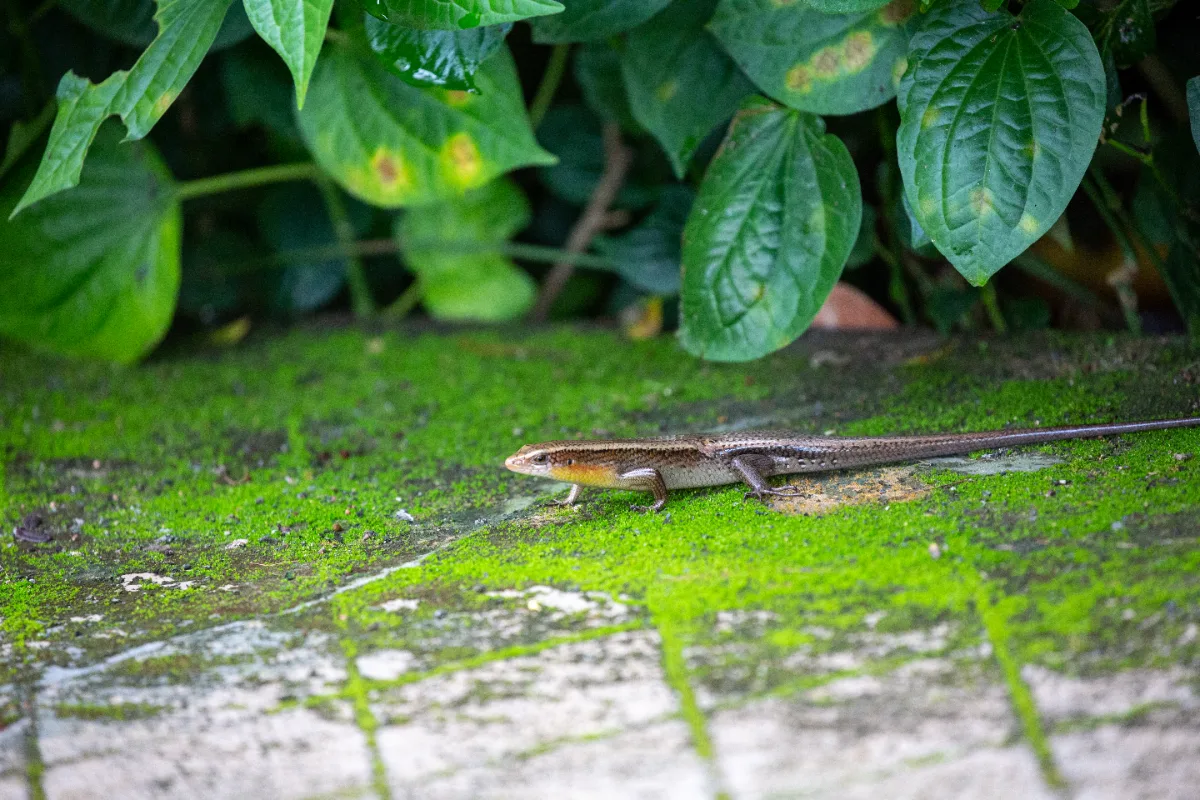
and some more and more
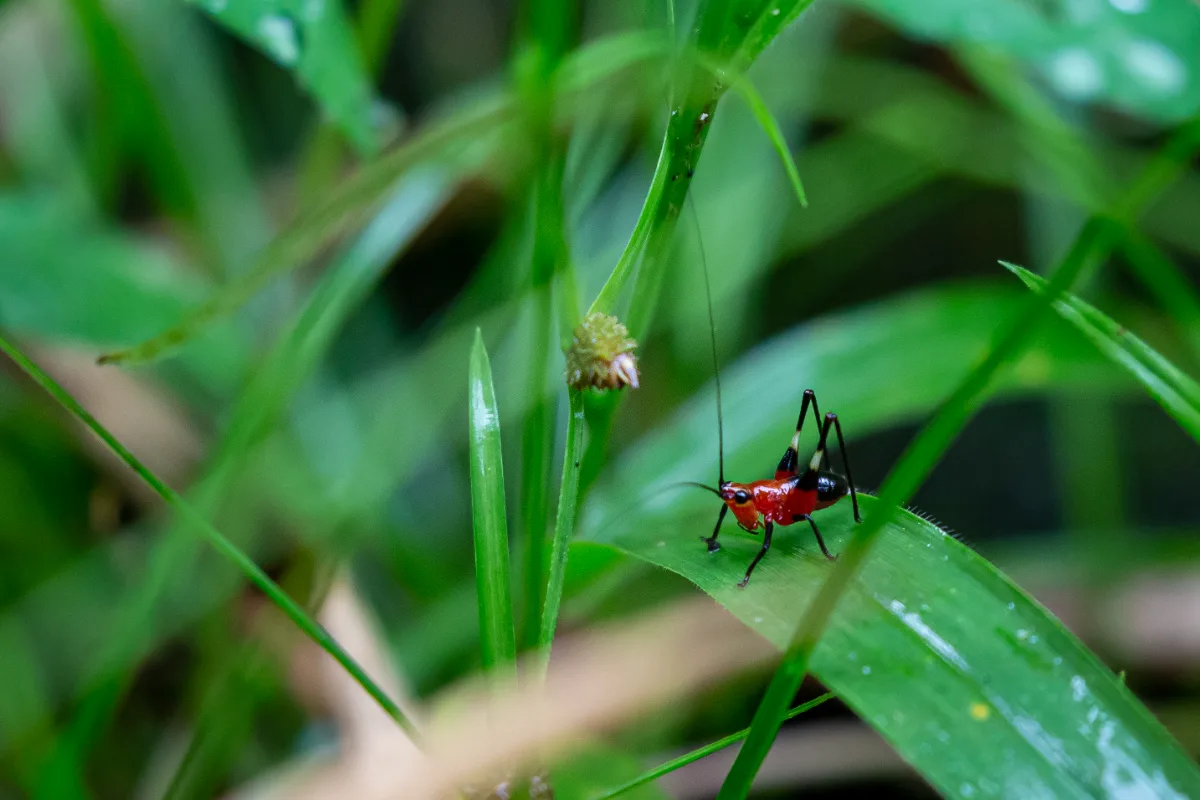
and moreeeeee